Arugula Part 3
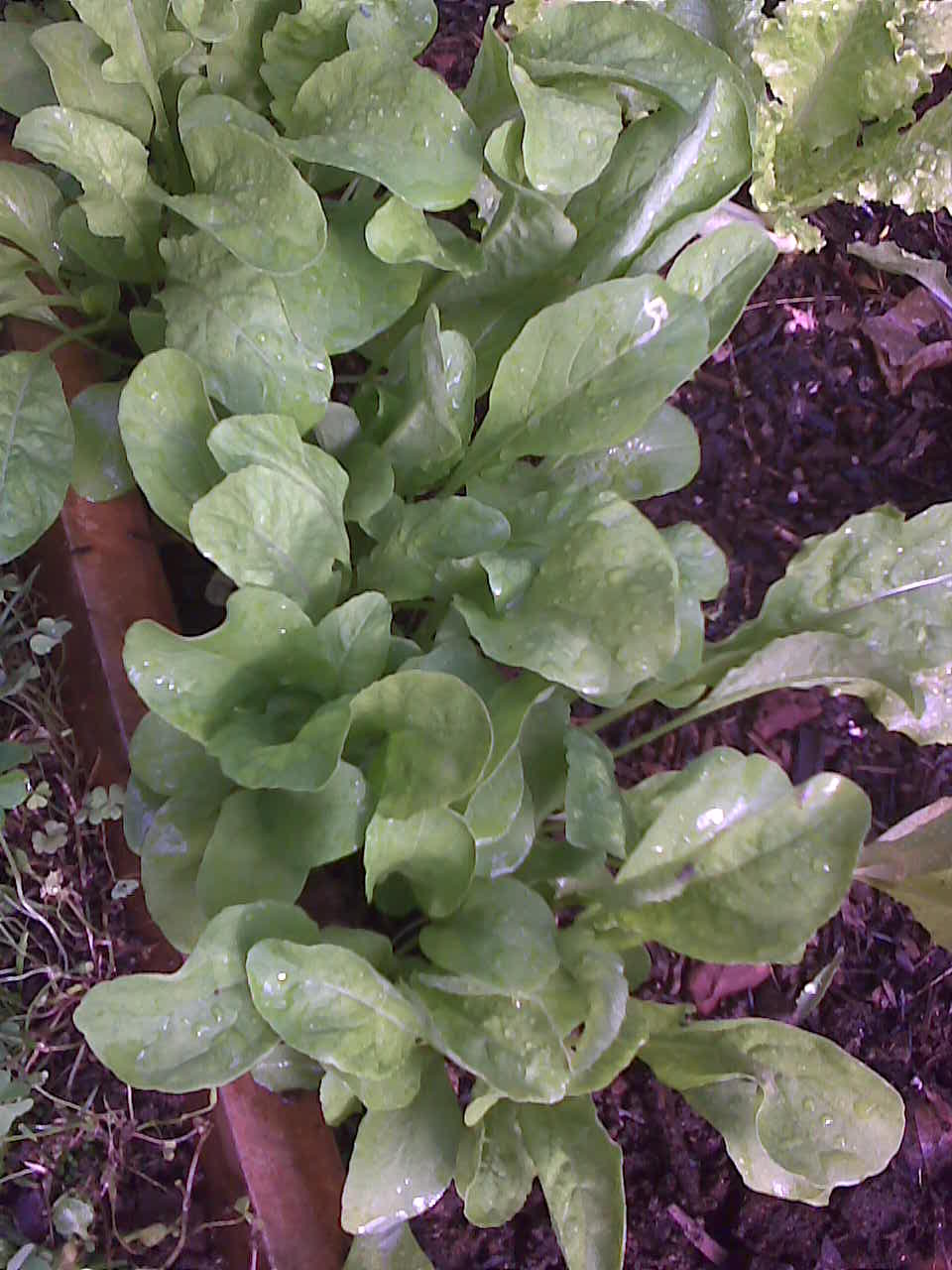
The arugulas after 10 days of my blog. How fast they grow! That’s why I like to grow them, instant gratification plus instant salad. My hard labor doesn’t feel hard anymore.
The arugulas after 10 days of my blog. How fast they grow! That’s why I like to grow them, instant gratification plus instant salad. My hard labor doesn’t feel hard anymore.
Artichoke is perennial vegetable that belongs to the thistle family of plants. The edible part of the plant is the bud before it opens into a flower. The immature florets in the center of the bud is called the “choke” but its not edible. You have to remove it from the base called the heart,…
It’s been two weeks after I took pictures of the cucumber flowers and now it’s ready to be picked. It turned out to be a pickling type of cucumber because it is short and small but plump. I am not complaining mind you. It’s just I didn’t know what variety I planted. It’s good I…
I have a sayote plant that volunteered to grow in my garden. Since it’s a volunteer, it’s not placed in a proper spot where I can place a trellis. So I just let it be and just put a couple of wire fence for it to trail up to the fence of the garden. Three…
I sowed seeds of pumpkins (kalabasa) along with winged beans (sigarilyas) and hyacinth beans (bataw) about a week and this is how they look like. The larger leaf is the pumpkin, the ones on the left is hyacinth beans, and the farthest left are the winged beans.
Long beans or sitaw as we call them is in the member of the family of legume except they are eaten as green pods unlike other beans like navy beans or azuki beans. They are also called yard long beans or asparagus beans. I remember eating these beans cooked as adobo. It taste good and…
Shallots in the Philippines is called Sibuyas Tagalog or Sibuyas Iloko. Sibuyas is a word derived from Spanish word “cebolla” which means onion. I like this type of onions fresh mix with tomatoes and used as a side dish for grilled fish, especially milkfish. But anything grilled like pork or chicken or even beef will…