Camachile
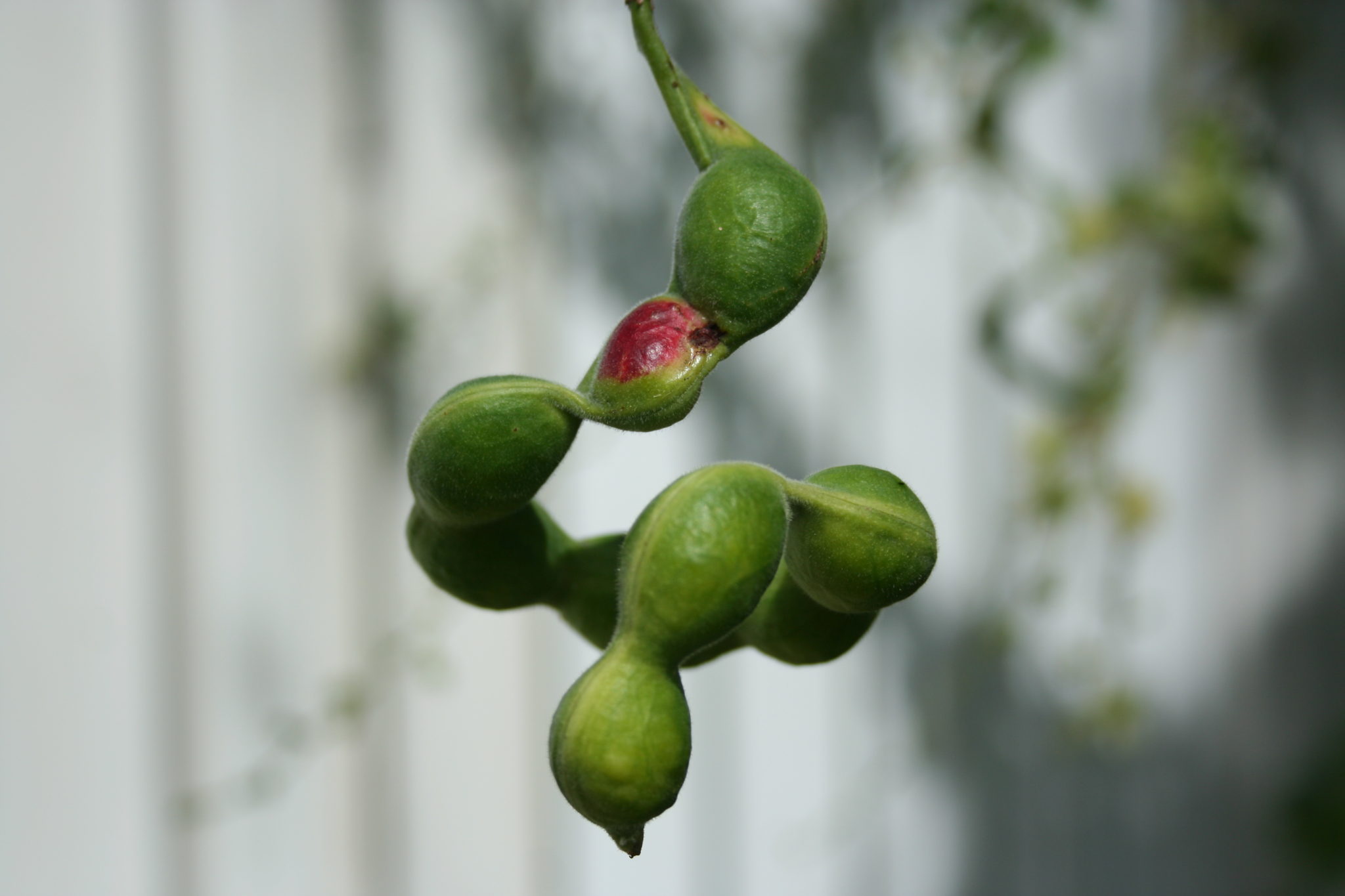 Camachile – (Pithecellobium dulce) – is a fruit that we eat in the Philippines. It’s plentiful during the summer season. The camachile taste sweet but dry. It has black seeds and we used to play with it. The fruit is unusual because of its coiling. It looks like a bean and it actually belongs to the pea family. We gather the fruit from the wild because it is not sold in the market. The tree grows wild and becomes invasive just like its cousin the “kiawe” or Hawaiian mesquite. The tree can grow up to 15 meters high. Its branches is thorny and the fragrant flowers flowers attracts certain species of moths, making the plant as host for caterpillars. Birds that eat the sweet pulp disperse the seeds. the tree is drought tolerant so it can grow anywhere without any human intervention.
