Amaranth/Kulitis
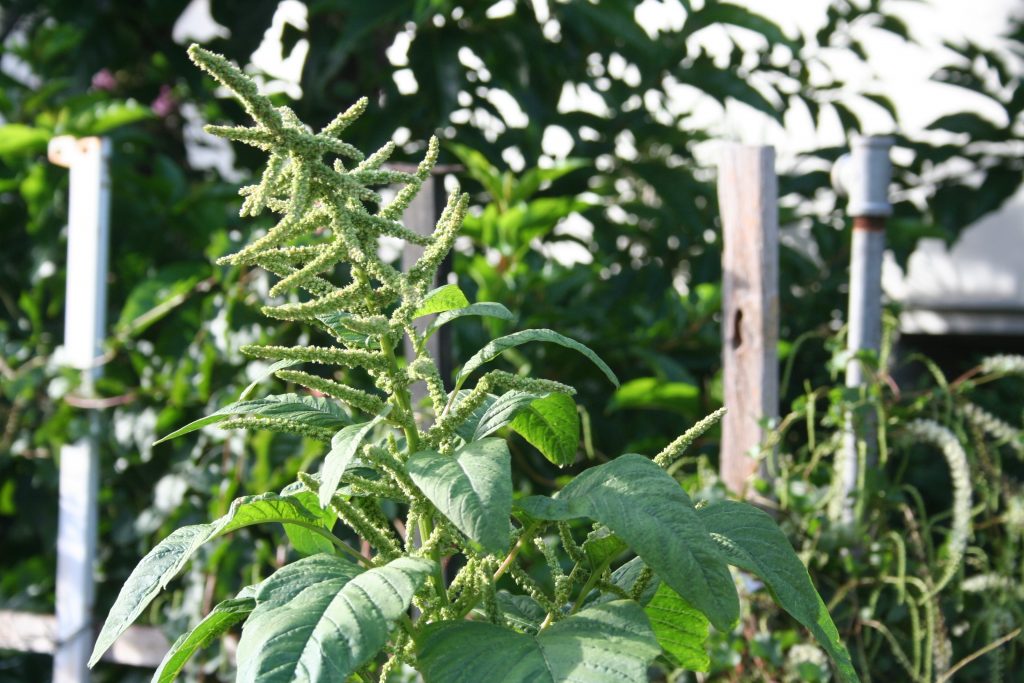
Amaranth-Kulitis
Amaranthus is the botanical term for the genus amaranth, a short lived perennial plant that used to be only known as ornamentals and now being cultivated as leafy green vegetables comparable to kale in nutritional value. Not only the greens are being used as vegetables, the seeds as being collected to be eaten like cereals almost like chia seeds.
The plant itself has different range of foliage from purple through red and green to gold. It also resembles in characteristics and uses with its close relative “Celosia”.
We call amaranth in the Philippines “kulitis”. I’ve known this plant since I was a kid but I never really know how valuable it is when regards to nutrition. For me, it was just one of those everyday vegetables that we must eat. I remember my Mom cooking it simply with other vegetables like eggplants, winged beans, long beans, and okra. The broth is simply flavored with fish sauce and when it boils, all the vegetables are added according to how long it needs to be cooked. You’re in luck if my Mom puts some grilled tilapia or milkfish in there for added flavor and protein. The plant itself is like a weed in our place. It just reproduces itself and lucky for us we always have green vegetables for free. Just like molokiya (saluyot) plants they spread in the garden like weeds and they are good to eat and good for you.
Most countries uses the seeds as grain. Mexico is the number one country that uses amaranth seeds as grain. May is when they have Amaranth as the grain of the month. India, China and Nepal are also cultivating amaranth and even described it as the “crop of the future”. I think some places in Africa needed it most since it has all the nutritional benefits plus it is easy enough to grow. It would surely help in the world starvation problem that is being experienced now. I think just like okra, moringa or malungay, molokiya or saluyot, which are incidentally all drought tolerant plants and so is amaranth, will be good in countries experiencing lack of food. Actually these are all superfoods and so it would be nice to see in the future a wider cultivation here in the US to help the third world countries.
The amaranth grains are called “pseudocereals” and are full of vitamins and minerals plus protein. They contain fats and carbohydrates but they are gluten free so people suffering from celiac disease can eat amaranth seeds just like quinoa. I don’t think we gather seeds from the amaranth in the Philippines but we eat the newly sprouted florets full of young seeds and cook it together with the green leaves. So I guess we got the best of both worlds without even knowing it.
Amaranth can also be grown as micro greens for salads. Their different foliage coloration will look very attractive in salads and as garnish for gourmet foods.