Water Chestnuts

Zebra tomatoes, Zoo flower pix, J & J 041

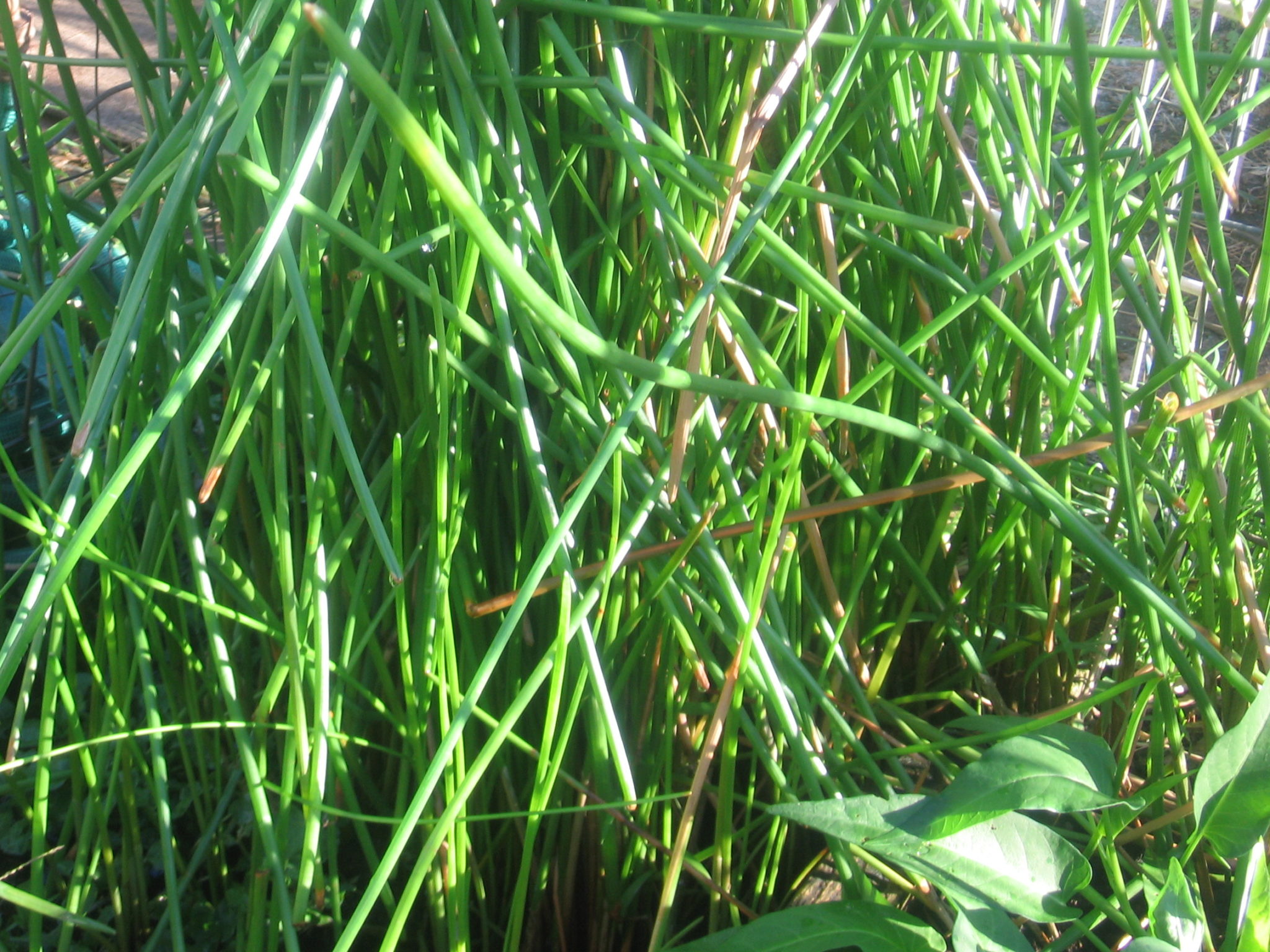
Water chestnuts are synonymous to Chinese cuisine. They are the ones that makes water chestnuts popular all over the world except we only see them mostly in cans. Once in a while you will see them in Chinatown but you probably will not recognize it because they look like the corms of certain flowering plants like gladiolus, freesia and crocus. The only difference is the plant look like grass or sedge and they grow in water or marshes just like in the picture.

I am fortunate to see this water chestnuts as corms when I was growing up in the Philippines. We buy them in the market already boiled and ready to eat like peanuts. It is one of my favorite snacks although they are not as big as the Chinese water chestnuts. And I feel fortunate now too that I was able to grow them myself and see how the plants look like which I never did when I was a kid.

My Chinese girlfriend gave me some plants to start with and I put them in a bucket like a small fish pond. And I was so excited to see them grow.

The crunchy and nutty flavor of the water chestnuts makes it an indispensable part of Chinese cuisine. It actually stays crisp even after cooking just like the lotus root because of its property called ferulic acid.

Water chestnut is rich in carbohydrates, source of fiber, riboflavin, Vit B6, and other good for you stuffs like potassium, copper and manganese.

Chinese cooks used water chestnuts in almost all their stir fries. I like to use them too when I stir fry mix vegetables like broccoli, beansprouts, Chinese snow peas, mushrooms with tofu as protein. It is also my secret in making “Shanghai lumpia”.

Similar Posts

  • Shallots – Philippine

    Shallots in the Philippines is called Sibuyas Tagalog or Sibuyas Iloko. Sibuyas is a word derived from Spanish word “cebolla” which means onion. I like this type of onions fresh mix with tomatoes and used as a side dish for grilled fish, especially milkfish. But anything grilled like pork or chicken or even beef will…

  • Amaranth/Kulitis

    Amaranth Kulitis
    Amaranthus is the botanical term for the genus amaranth, a short lived perennial plant that used to be only known as ornamentals and now being cultivated as leafy green vegetables comparable to kale in nutritional value.

  • Ubi/Purple Yam

    Ubi or purple yam to me is a reminder of the Holidays in the Philippines. Christmas, Fiesta, and New Years is not complete without making a dessert called “halayang ubi” made of this delectable roots. This dessert can also be used as topping for Halo-halo and can be made into ice-cream. This picture was taken…

  • Radish (Watermelon)

    I have been experimenting on almost every new things that come out of seed catalogs. I find it very interesting and challenging at the same time. One of those experiments is planting this “watermelon” radish. I planted them just like other radish seeds. They grow fast and as soon as you can see the roots…

  • |

    Jackfruit

    We call the jackfruit “langka” in the Philippines.  I consider it as the biggest fruit ever.  When I was young, we  nicknamed it “hog” because sometimes it grows as big as a pig.   I remember my grandma’s jackfruit tree in the farm and the fruit almost touches the ground.  I also remember eating the fruits…

  • Cucumber Prt 3

    This are the cucumber seedlings after my last week’s blog. They developed their true leaves and on their way. I like cucumbers in salad. I also like it with seasoned vinegar and red onion as a side dish for fish or any meat entrees. I wll be waiting impatiently for the fruits to come in…