Guava


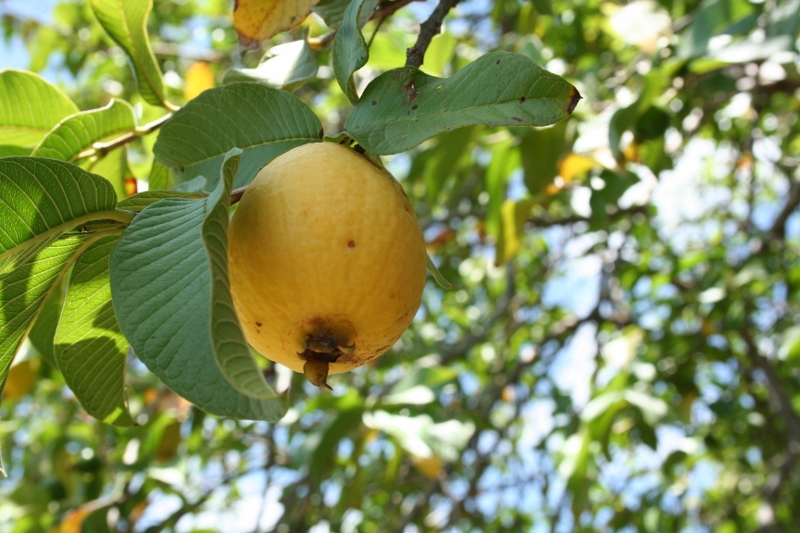
Guava is a popular fruit in the Philippines but it is seasonal. During rainy season that’s when it is most abundant. There are several varieties of guava that is native to the Philippines that I know of but the guava java which is an import variety from Indonesia hence the name, became the most popular. The guava java is bigger than our native variety, thick skin and less seeds. It is sweet if ripe enough and the skin would be crunchy. It is good for snacks and healthy for you. Guava is rich in anti-oxidants. Guava is also a medicinal plant. The leaves are boiled to treat wounds like an anti-biotic. Eating the fruit also served as anti-diarrhea. The tree trunk is utilized also for firewood. The fruits are also used for cooking particularly the Filipino dish called “Sinigang” The ripe fruits also are made into jam or a refreshing drink.
Similar Posts

  • Kamias

      Kamias – Averrhoa bilimbi – also known as cucumber tree or tree sorrel is a very common fruit in the Philippines used as a condiment.  It is a fruit but it is so sour it is used mostly for cooking.  The kamias is like the tamarind, used in making sour-soup or sinigang. We used…

  • Atis/Custard Apple

    Atis is sweet and taste like custard hence the name custard apple. The white flesh is segmented and each segment has black seed inside. It is related to soursop and the anonas. They have developed a hybrid of these fruits and call it Atemoya or Cherimoya. The flesh can be made into ice cream or…

  • Star Fruit

    Starfruit also known as carambola is native to the Philippines, and the botanical name is “Averrhoa carambola. We call it “Balimbing” which is an ambiguation from the botanical name of another fruit we call “kamias” or Averrhoa bilimbi which is sour and used as a souring agent for soups and other dishes. The fruit has…

  • Chico/Zapodilla

    Chico/Sapodilla Chico – (Manilkara Zapota-bot. name) is a very popular fruit in the Philippines. Although it is not native to the Islands, the fruit has been widely cultivated. It is in season during the months of January till February. In Hawaii they can be seen in the farmers market up to the month of May….