Sampalok/Tamarind
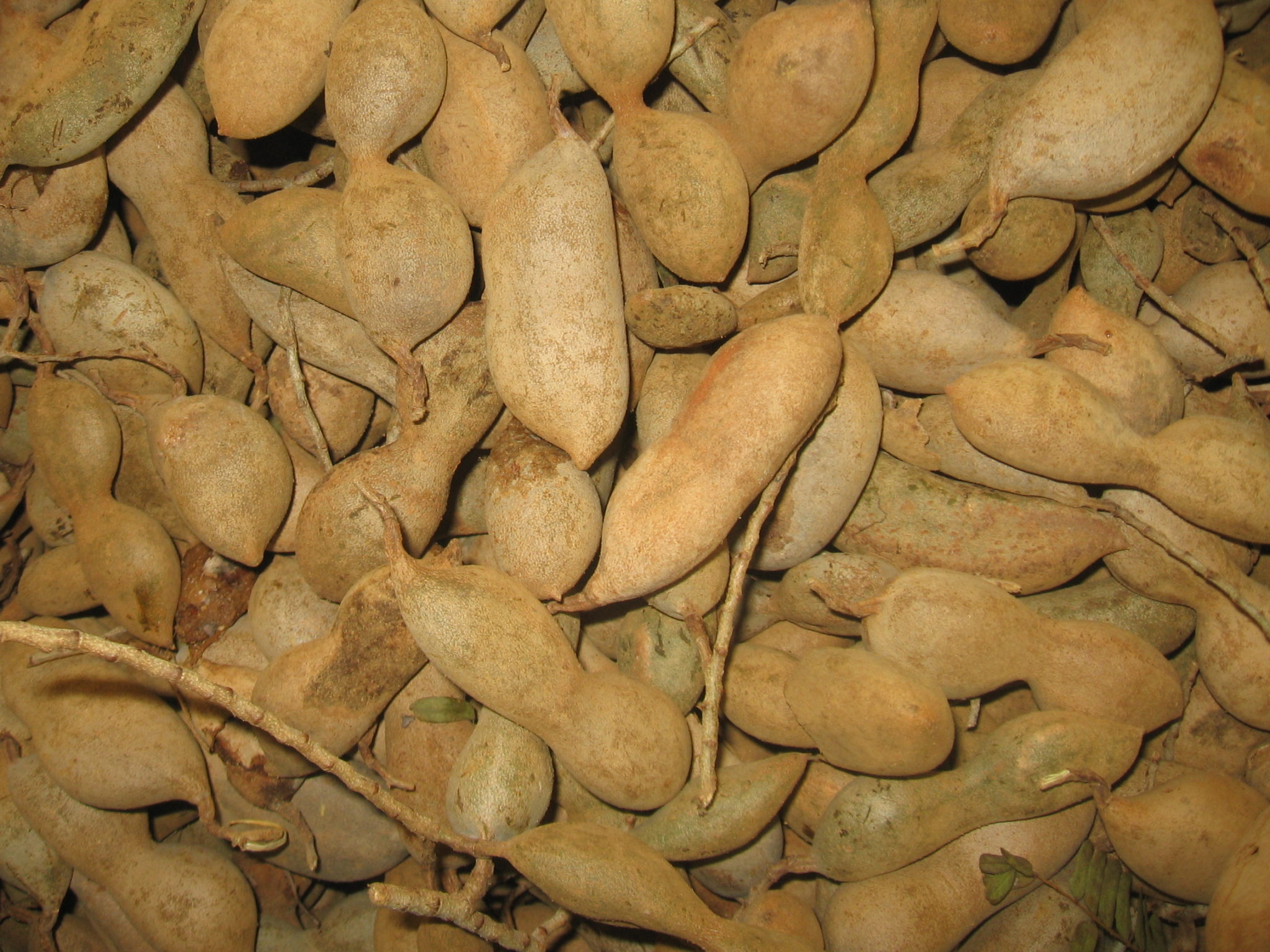 Tamarind -Sampalok – (Tamarindus indica) is a type of fruit that looks like a bean which is rightly so because it is in the family of Fabaceae or legumes. It is sour when it is still green and when it is ripe it turns brown in color and the brown flesh inside is sweet and will have seeds. The leaves are evergreen and we actually uses it too for cooking. It would be sour in taste too. I remember when my mom would put a bunch of leaves in the bottom of a pot and put fish on top of the leaves. She just then put a little bit of water and salt, cook till the fish is done and so simple yet so delicious and healthy too. I also remember during Fiesta in our town, my uncle uses the leaves too in roast pork or “lechon”. He would put the leaves inside the pig’s cavity with either rice or loaf of bread then stitching before roasting the whole pig in a pile of hot charcoals. The “lechon will be ready in 4-5 hours depending on how big the pig was. The part with the tamarind leaves would taste so unusually delicious!
Tamarind or sampalok is indigenous to Africa but is more widely cultivated in India. Today, India is the largest producer of tamarind. It is very popular in Indian cuisines, Southeast Asia and Mexico. In India, tamarind is made into chutney. It is also one of the ingredients in making Worchestershire sauce. In the Philippines, it is mostly used as a condiment like a souring agent for dishes like “sinigang” (sour soup) or “pinangat”. We eat it as a fruit too. It is also made into candies. It is also available in powder form in supermarkets for ease in cooking. The packet will say “Sinigang mix” on it.
The tree grows tall from 12-18 meters. It grows well in full sun in any type of soil and is drought -tolerant. It can also tolerate ocean spray of salt. The tamarind tree can be propagated by grafting, budding or air layering. It will produce up to 175 kg of fruit within 3 to 4 years providing they are growing in the right conditions.
The fruit comes in a pod and has hard shell. When it is ripe, you can crack the shell easily and the dark brown flesh inside is the edible part and it taste sweet and sour at the same time. Thailand has produced the sweet cultivar variety and is sold as whole pods in boxes.
Tamarind is a good source of B vitamins, calcium and potassium and other traces of minerals. It is also an anti-oxidant with its Vitamin C content. It is also used in medicinal purposes like aiding in digestion, or used as a laxative and other ailments like sore throat or fever and inflammation.
