Chili Peppers/Sili
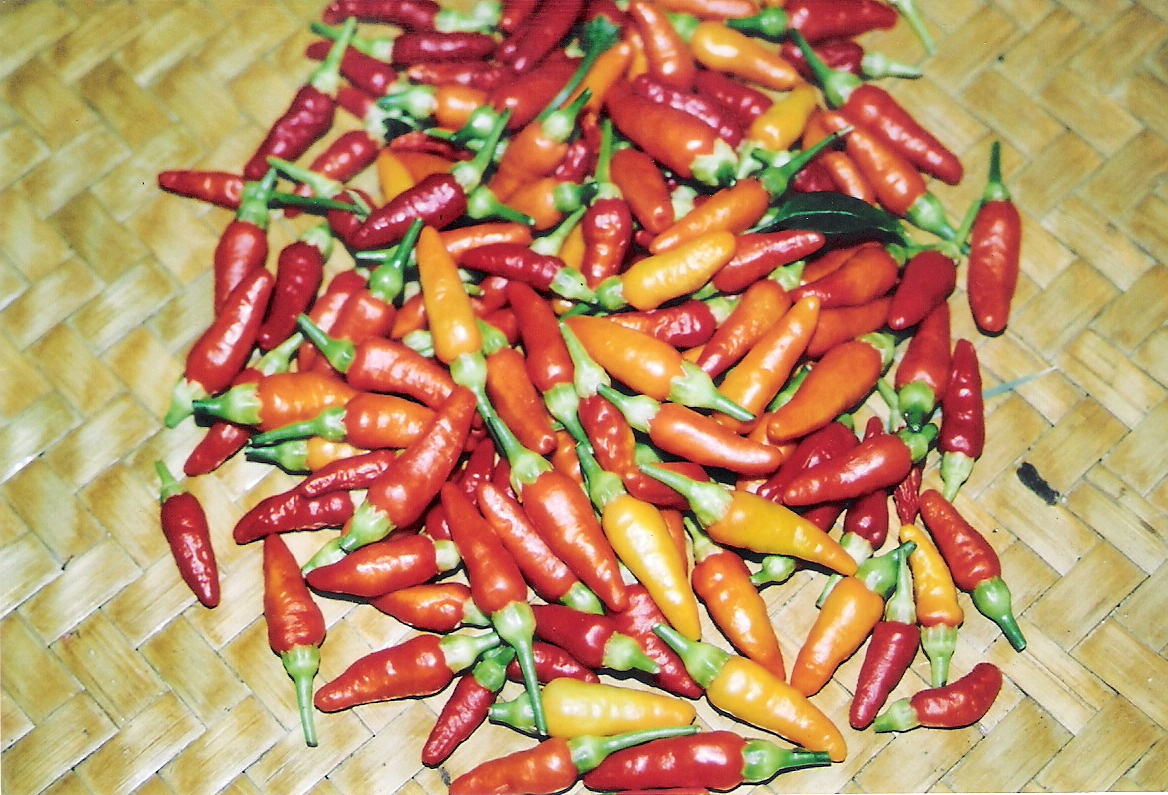
Chili or sili as we call it have different forms and shapes. Some are hot and some are not. The intensity of the heat from a chili pepper is measured in Scoville heat units. Habanero peppers are rated as the hottest, but before habanero and even before the Scoville measurement, I think we ranked our chili or sili in the Philippines as the hottest. The smaller it is the hottest they say. I’m not good in eating hot peppers but I always like to use it basically in everything but I tried to make sure it is milder than hot. So I always plant peppers all year long. I practically tried to plant everything that belongs to the family of peppers except for the latest rave which is ghost pepper. I tried the Caribbean peppers and I think they’re too hot for me. I also tried super chili and that is too much for me too. One of those is enough to make the soup “sinigang” so hot you will really start a sweat.
The one I featured here is supposed to be Hawaiian peppers but it is also the pepper we call “siling labuyo” in the Philippines. If I gather plenty enough, I put the “silis” in empty bottles and fill them with apple cider vinegar. That would be a good dipping sauce for just about anything like grilled pork or fish, steamed shrimp or crabs and especially “chicharon” made of pork rinds or fried “dilis” or anchovies. It is very common in the Philippines to eat chicharon as snacks with the dipping sauce as vinegar with chili peppers.
The leaves of chili pepper plants are also edible in the Philippines and we used it in the dish we call chicken “tinola”. We call it “dahon ng sili” which means literally chili pepper leaves. My mom also use it sometimes in sauteed frogs and mushrooms. It is quite delicious and I enjoyed eating them when I was growing up. I miss those days.
Capsaicin is the substance that makes chili peppers hot and is now being use as pain reliever especially arthritis and being used in pepper spray, a weapon against attackers. It also have vitamins, C and B vitamins particularly B6. It also has high in potassium, magnesium and iron.
Chili pepper plant is easy to grow and even if it is considered an annual, it can last for years as long as it is well watered, fertilized and in full sun